
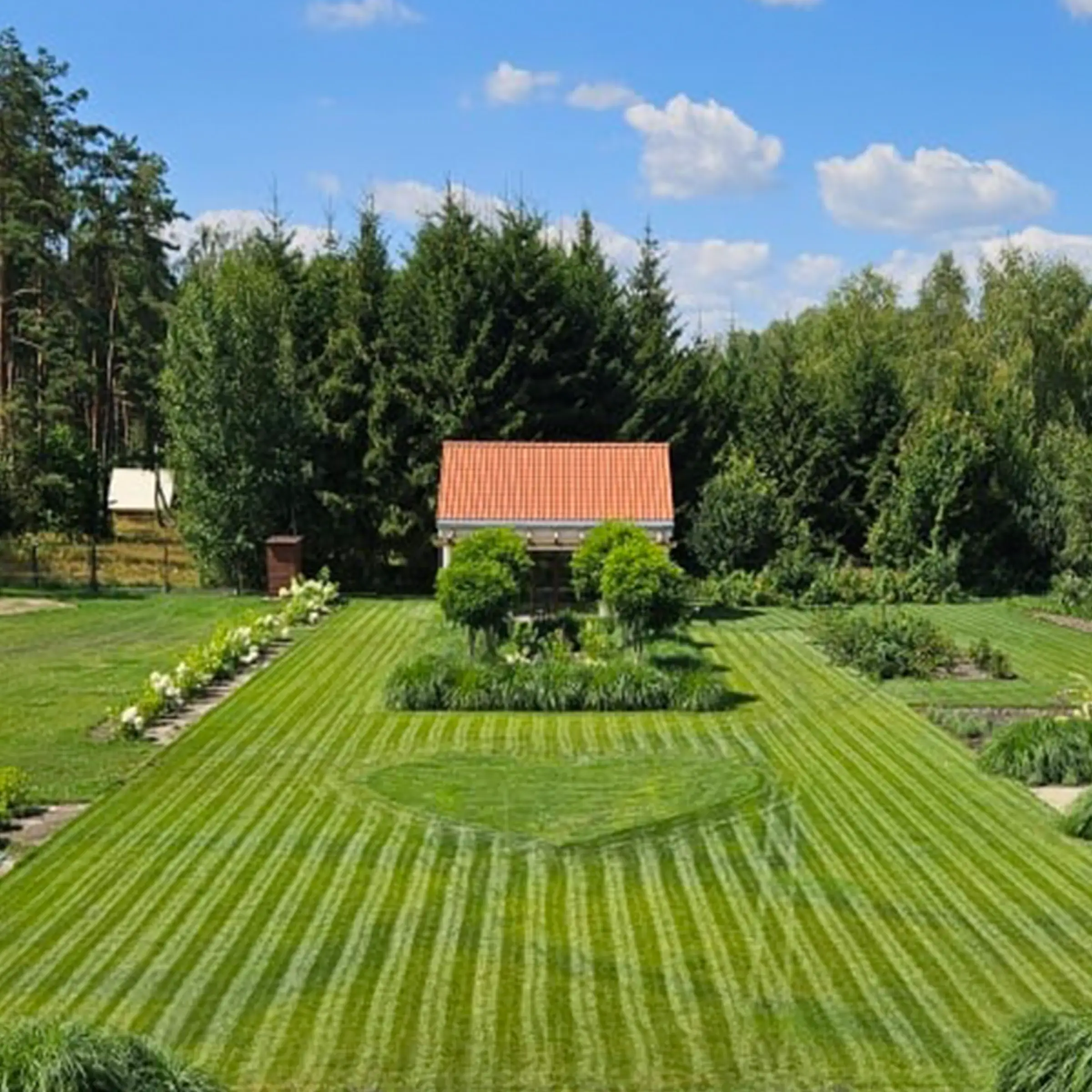
For HOAs, communities and property managers
Scheduled mowing for common areas and managed grounds
What boards and managers get
Predictable schedules
Mowing follows a programmed schedule rather than crew availability.
One accountable partner
Evaluation, installation, training, technical support, warranty and parts, coordinated through RoboLawn and its dealer network.
Works alongside your landscaper
Robotic mowing covers routine turf, so your landscape contractor can focus on trimming, beds and seasonal work.
How a community project runs
- Step 1
Site evaluation
Turf areas, slopes, access, foot traffic, charging locations and positioning signal across your sites.
- Step 2
Pilot plan
A defined area, schedule and success measures agreed with the board or owner.
- Step 3
Deployment
Installation, mapping, commissioning and training for whoever will manage the equipment.
- Step 4
Support and review
Ongoing technical support, warranty and parts, and a review before expanding.
What we plan for on shared grounds
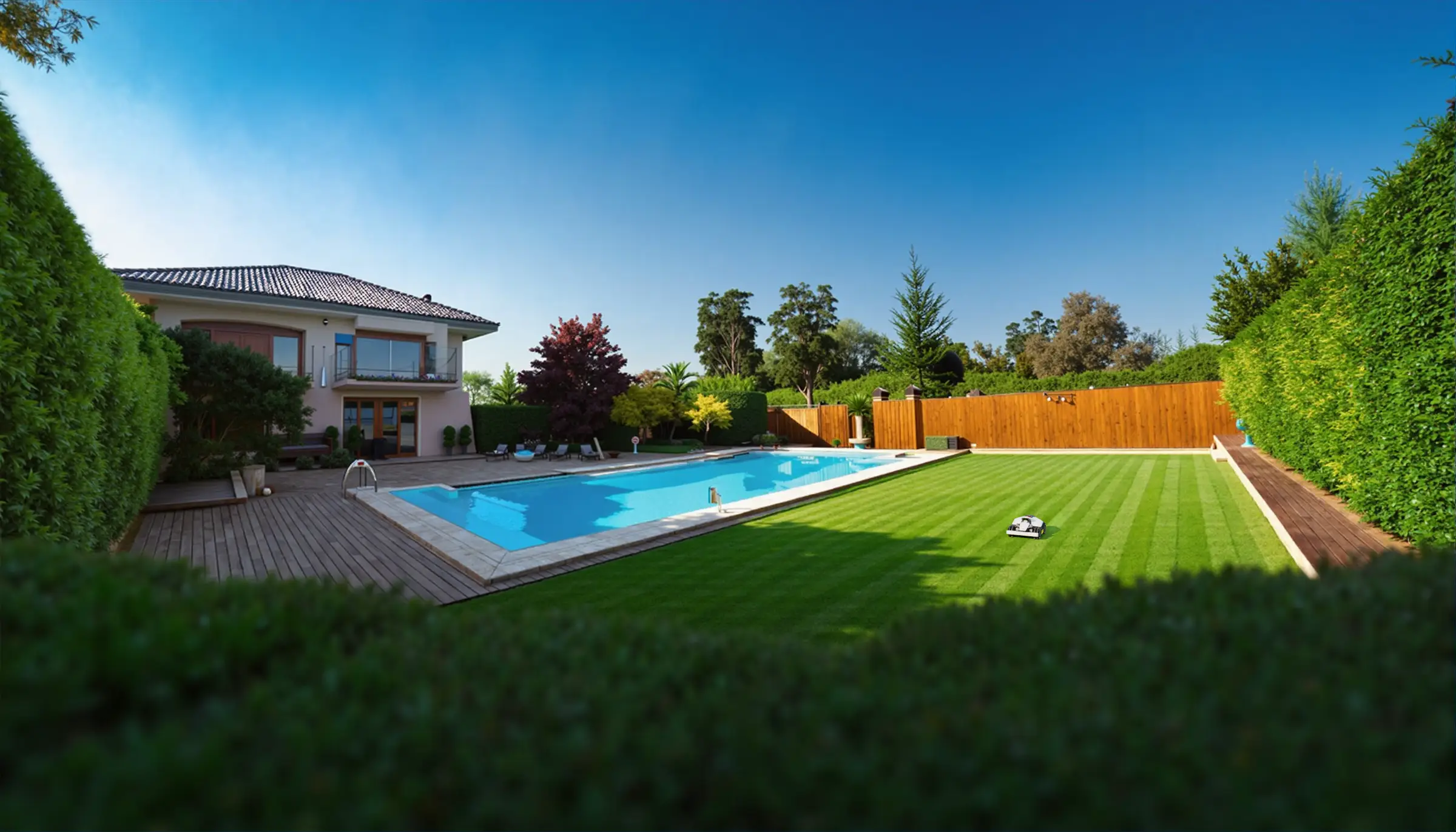
Common areas and pools
No-go zones around pools, play areas and amenity spaces.
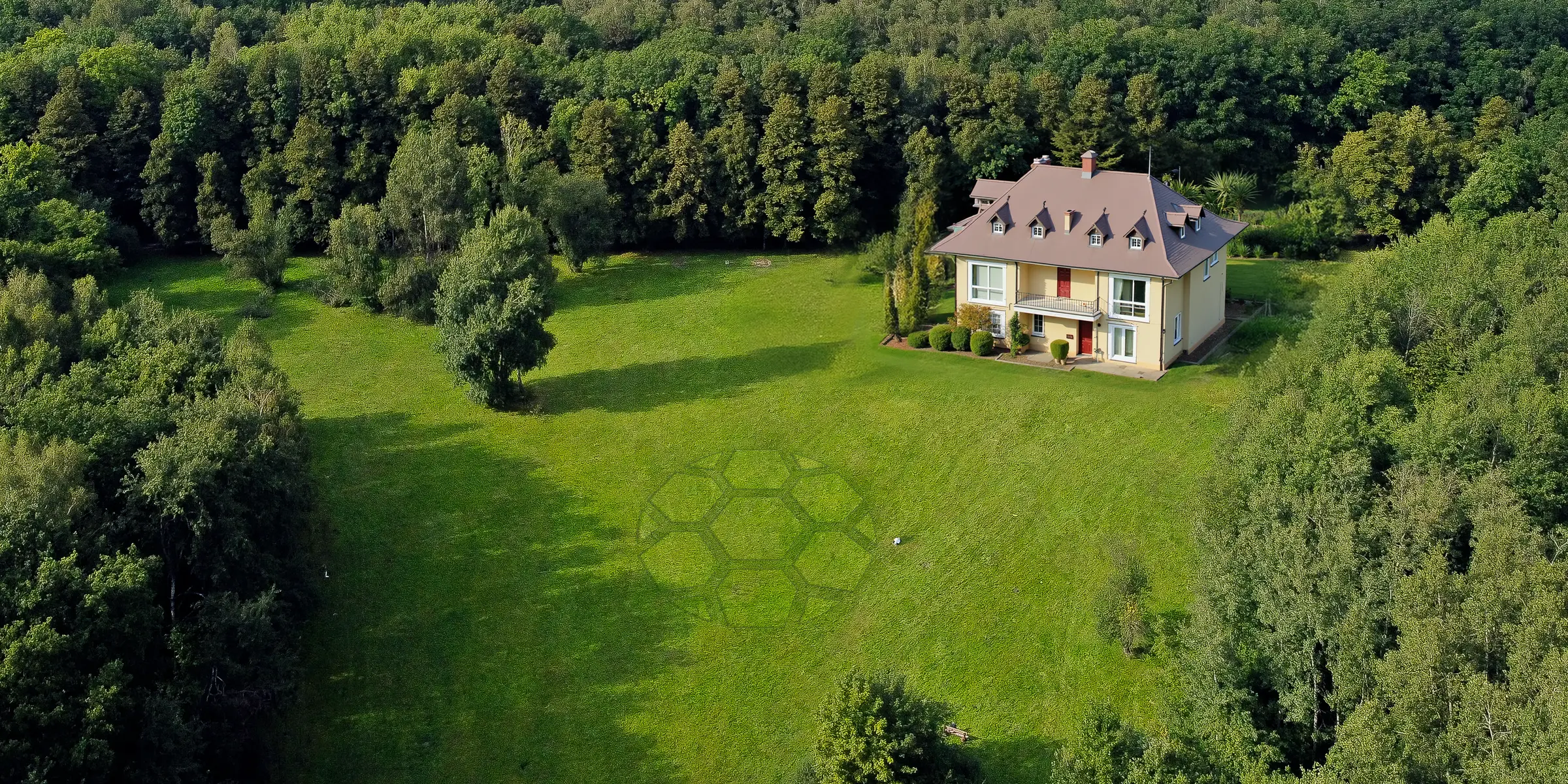
Large open grounds
Planned for coverage, charging locations and the number of units needed.
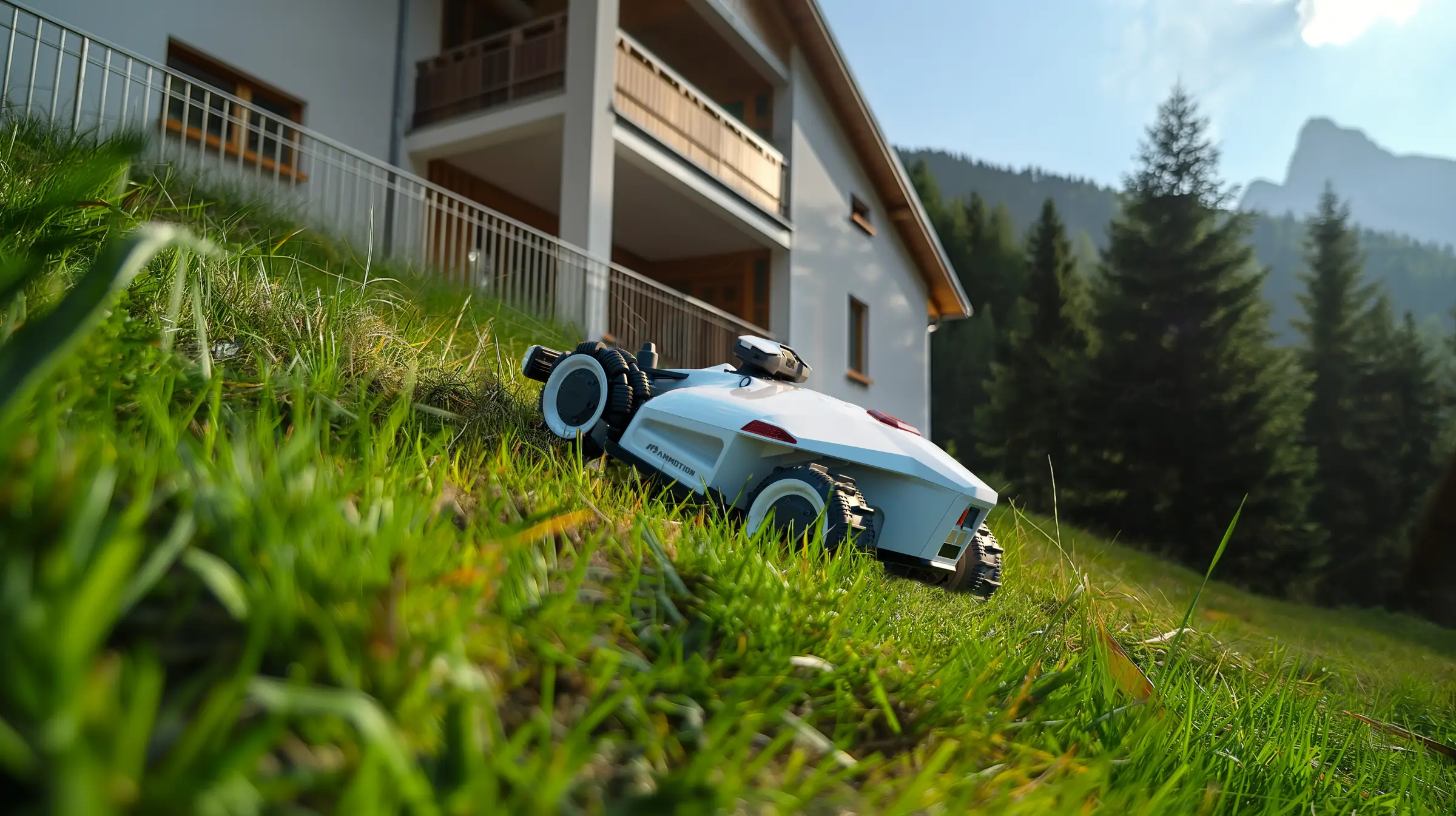
Slopes and banks
Grades are compared with each model's published slope rating before anything is recommended.
Photos: Mammotion
Questions boards ask
How do we address residents' questions?
We help boards plan schedules and boundaries for shared spaces and can provide information for residents. Safety features and noise vary by model; we cover them in the evaluation.
Does this replace our landscaping contract?
Usually not entirely. Robotic mowing covers routine mowing; trimming, edging, beds and seasonal work still need people. Options include working with your existing contractor, some of whom offer robotic mowing as a service.
Can we start small?
Yes. A pilot on one site or area is often the sensible first step.
Who supports the equipment after installation?
RoboLawn and its dealers provide technical support, warranty administration and parts for the life of the equipment.
Talk to us about it
Send us the sites and how they are maintained now. The first step is often a site evaluation, or a pilot on one area.